

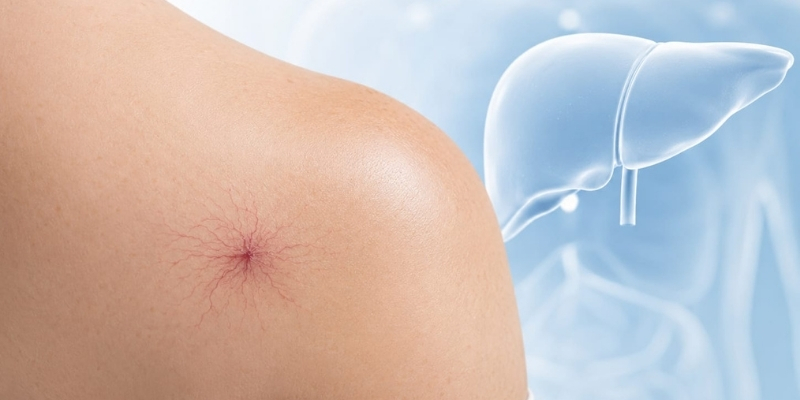
Spider veins on the legs usually do not mean liver disease. The skin finding more closely linked with liver disease is a spider angioma, also called a spider naevus or spider telangiectasis. Multiple new spider angiomas, especially on the face, neck, chest, arms or hands, should be discussed with a medical practitioner.
Spider veins and spider angiomas can look similar, but they are not always the same thing. This article explains the difference, when liver disease may need to be considered, and when to seek medical advice.
Quick Answer
Spider veins on the legs usually do not mean you have liver disease.
Multiple spider angiomas, especially on the upper body, can sometimes be associated with liver disease, pregnancy, hormonal factors, thyroid disease or other medical conditions. Seek medical advice if they are new, widespread, increasing in number or appear with symptoms such as jaundice, abdominal swelling, unusual fatigue, easy bruising, dark urine or unexplained weight loss.
What Should You Do Next?
Use this as a general guide:
- Spider veins only on the legs, with no other symptoms: usually not a liver warning sign.
- Multiple red spider-like marks on the face, neck, chest, arms or hands: speak with a GP.
- Spider-like marks plus jaundice, abdominal swelling, easy bruising or dark urine: seek medical advice promptly.
- Spider veins with leg aching, heaviness, swelling or varicose veins: consider a vein assessment.
- Chest pain, severe breathlessness, vomiting blood, black stools, fainting or collapse: call Triple Zero (000).
Spider Veins vs Spider Angiomas
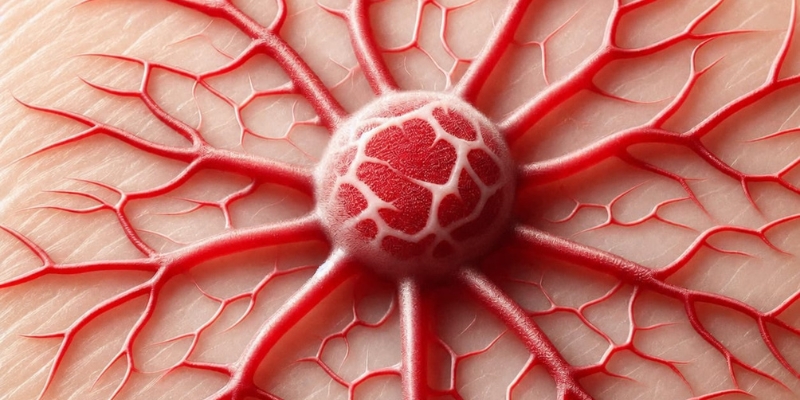
People often use the term “spider veins” for different types of visible blood vessels. The distinction matters because ordinary leg spider veins and spider angiomas may have different causes.
| Feature | Spider Veins | Spider Angiomas / Spider Naevi |
|---|---|---|
| Appearance | Fine red, blue or purple lines that appear web-like or branching beneath the skin. | A central red spot with tiny blood vessels radiating outward, resembling a spider. |
| Common Locations | Legs, thighs, ankles and occasionally the face. | Face, neck, upper chest, arms and hands. |
| Usual Meaning | Commonly linked to superficial vein changes, genetics, hormonal influences, pregnancy, ageing or prolonged standing. | Usually harmless, although multiple lesions may occasionally indicate an underlying medical condition. |
| Liver Connection | Spider veins on the legs are generally not associated with liver disease. | Numerous spider angiomas may sometimes be associated with liver disease and should be medically assessed. |
| Recommended Next Step | A vein assessment can help if symptoms are present or if treatment is desired for cosmetic reasons. | Seek medical advice if they appear suddenly, become widespread, or occur alongside other symptoms. |
Medical sources describe spider angiomas as small red lesions with a central point and radiating vessels. Multiple spider angiomas are more clinically relevant than a single stable lesion and may prompt a clinician to consider possible underlying causes.
What Are Spider Veins?
Spider veins are small visible blood vessels close to the skin’s surface. They often appear as red, blue or purple lines and may form a web-like or branching pattern.
They commonly occur on the legs, thighs, ankles and face. In many people, spider veins are mainly a cosmetic concern, although they can also occur alongside reticular veins, varicose veins or deeper venous reflux.
Spider veins are different from varicose veins. Varicose veins are usually larger, raised or twisted veins that may be associated with aching, heaviness, swelling or skin changes.
Learn More About Spider Veins
Learn About Varicose Veins
What Causes Spider Veins?
Spider veins can develop for several reasons. Common contributing factors include:
- Family history of visible veins
- Pregnancy
- Hormonal changes
- Increasing age
- Sun exposure, especially on the face
- Local skin or vessel changes
- Prolonged standing or sitting
- Previous leg vein problems
- Varicose veins or venous reflux in some cases
- Past blood clots or vein injury
- Higher pressure in superficial leg veins
Having spider veins does not automatically mean there is a serious medical problem. Assessment is useful when veins are new, changing, symptomatic, widespread or associated with other signs.
Are Spider Veins a Sign of Liver Disease?
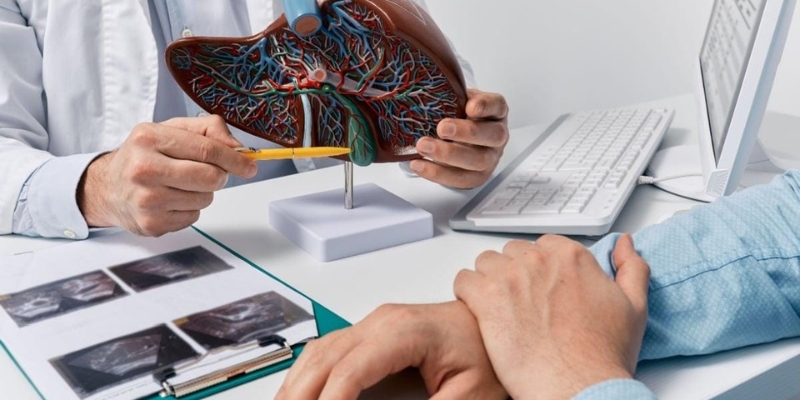
Spider veins on the legs are not usually a sign of liver disease.
The liver-related skin finding more often discussed in medical sources is a spider angioma, not ordinary leg spider veins. Spider angiomas can occur in otherwise healthy people, during pregnancy and in people with liver disease.
A single spider angioma may not be concerning. Multiple new spider angiomas, especially on the upper body, may be more clinically relevant and should be discussed with a GP or medical practitioner.
Why Can Liver Disease Be Linked With Spider Angiomas?
The liver helps process hormones, proteins and many substances in the blood. In some liver conditions, changes in hormone balance and blood vessel behaviour may contribute to spider angiomas.
This does not mean every visible spider-like vessel is caused by liver disease. Spider angiomas can also occur with pregnancy, oral contraceptive use, thyroid disease or hormonal factors. DermNet notes that multiple spider telangiectases are seen most frequently in pregnancy, oral contraceptive use, liver disease and thyrotoxicosis.
The key issue is the pattern:
- One or a few stable small vessels may not be concerning.
- Multiple new spider angiomas, especially on the upper body, should be medically assessed.
- Spider angiomas plus symptoms of possible liver disease need prompt medical advice.
Can Fatty Liver Cause Spider Angiomas?
Fatty liver disease does not always cause visible skin changes. Spider angiomas are more often discussed in relation to chronic liver disease or more advanced liver dysfunction than as a reliable early sign of fatty liver disease.
Do not assume that spider veins near the ribs, chest or abdomen mean fatty liver disease. A GP can assess liver-risk factors and decide whether blood tests, imaging or referral are appropriate.
What Symptoms Should You Watch For?
Speak with a GP or medical practitioner if spider-like red marks appear with symptoms such as:
- Yellowing of the skin or eyes
- Unexplained fatigue or weakness
- Abdominal swelling
- Pain or discomfort in the upper-right abdomen
- Easy bruising or bleeding
- Dark urine or pale stools
- Swollen legs or ankles
- Nausea or loss of appetite
- Unexplained weight change
- Confusion, drowsiness or marked change in alertness
- Known hepatitis, heavy alcohol use or other liver-risk factors
Call Triple Zero (000) or seek urgent care for chest pain, severe shortness of breath, vomiting blood, black stools, fainting, severe confusion or collapse.
When Should You Seek Medical Advice?
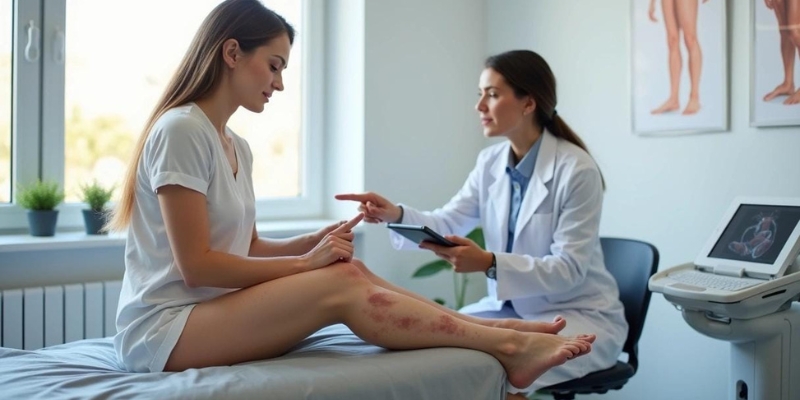
Seek medical advice if you notice:
- Multiple new spider angiomas
- Spider-like red marks on the face, neck, chest, hands or upper arms
- Spider angiomas increasing in number
- Visible vessels with jaundice, fatigue, abdominal swelling or easy bruising
- A history of liver disease, hepatitis or significant alcohol intake
- Painful, swollen, red or warm legs
- A leg wound that is slow to heal
- New or worsening varicose veins
For leg symptoms such as sudden one-sided swelling, calf pain, redness or warmth, prompt medical assessment is important because these symptoms can sometimes be associated with deep vein thrombosis.
Learn About Deep Vein Thrombosis
Learn About Venous Leg Ulcers
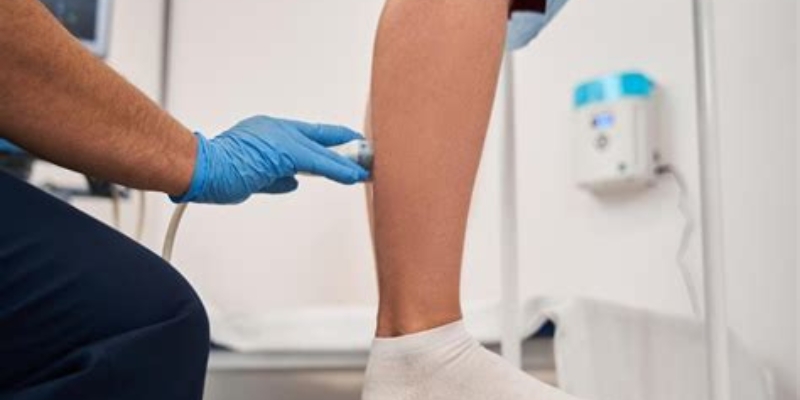
What Tests Might a Doctor Recommend?
A GP or medical practitioner may ask about your symptoms, alcohol intake, medicines, pregnancy status, hormone therapy, hepatitis risk, family history and other medical conditions.
Depending on the situation, they may consider:
- Liver function blood tests
- Full blood count
- Clotting tests
- Viral hepatitis testing
- Thyroid testing
- Abdominal ultrasound
- Referral to a liver specialist or another appropriate clinician
Vein Care does not diagnose liver disease through this article. If your concern is liver health, a GP is the appropriate starting point.
Can Vein Care Assess Spider Veins?
Vein Care can assess spider veins, reticular veins, varicose veins and related superficial venous concerns. If your main concern is liver disease or general health symptoms, a GP is the appropriate starting point.
For suitable spider veins, treatment options such as sclerotherapy or microsclerotherapy may be discussed after assessment. Suitability, likely response, possible side effects and aftercare vary between patients.
Learn More About Spider Veins
Learn About Sclerotherapy and Microsclerotherapy
Can Lifestyle Changes Prevent Spider Veins?
Lifestyle measures may support general vein health, but they cannot guarantee prevention or removal of spider veins.
Measures that may support vein health include regular walking, avoiding long periods of standing still where possible, leg elevation when resting, maintaining regular physical activity and using compression only if recommended and correctly fitted.
If visible vessels are changing, symptomatic or widespread, assessment is more useful than relying on lifestyle changes alone.
Spider Vein Assessment in Melbourne
Vein Care provides appointment-based assessment for spider veins and related venous concerns through clinics in Camberwell, Sydenham and Boronia.
View Camberwell Clinic
View Sydenham Clinic
View Boronia Clinic
Phone: (03) 9813 1535
Frequently Asked Questions
Do spider veins mean I have liver disease?
Usually, no. Spider veins on the legs are commonly related to superficial vessels, genetics, hormones, pregnancy, sun exposure or local vein issues. Multiple spider angiomas on the upper body may sometimes be associated with liver disease and should be medically assessed.
What is the difference between spider veins and spider angiomas?
Spider veins are usually fine red, blue or purple visible vessels. Spider angiomas usually have a central red dot with fine red vessels radiating outward. Multiple spider angiomas can sometimes be associated with liver disease, pregnancy or hormonal factors.
Are spider veins on my legs linked to liver disease?
Leg spider veins usually do not mean liver disease. They are more commonly related to local superficial vessels, venous pressure, genetics, hormones or pregnancy. Seek medical advice if you also have symptoms such as jaundice, abdominal swelling, easy bruising or unusual fatigue.
When are spider angiomas more concerning?
Spider angiomas may be more concerning when they are multiple, new, increasing in number, located on the upper body or associated with other symptoms such as jaundice, abdominal swelling, easy bruising, dark urine, fatigue or unexplained weight change.
When should I contact Vein Care?
Contact Vein Care if you have spider veins, reticular veins, varicose veins, leg symptoms or concerns about visible superficial veins. Contact a GP first if your main concern is possible liver disease or you have general symptoms such as jaundice, abdominal swelling or easy bruising.
Can fatty liver cause spider angiomas?
Spider angiomas are more often discussed in relation to chronic liver disease or more advanced liver dysfunction than as a reliable early sign of fatty liver disease. A GP can decide whether liver blood tests or imaging are needed.
What symptoms should I watch for?
Seek medical advice if spider-like red marks appear with yellow skin or eyes, abdominal swelling, easy bruising, dark urine, pale stools, unusual fatigue, loss of appetite, unexplained weight change or known liver-risk factors.
Can spider angiomas go away?
Some spider angiomas may fade, especially when related to pregnancy or reversible hormonal factors. Others may persist. If they are multiple, new or associated with other symptoms, medical assessment is appropriate before considering cosmetic treatment.
Can spider veins be treated?
Spider veins may be treated where clinically appropriate. Treatment options can include sclerotherapy or microsclerotherapy for suitable vessels. Suitability, response, possible side effects and aftercare vary between patients.

